Wildfire-Resistant Roofing & Siding Options for Sonoma County Homes: Costs, Benefits & 2026 Recommendations
By Dave Keith, CEO, SCB Builders · September 11, 2026 · Wildfire Resilience
Roofs and exterior walls are the most vulnerable parts of a home during a wildfire. Here's a practical comparison of Class A roofing and ignition-resistant siding options for Sonoma County homes — with 2026 installed cost ranges and honest recommendations.
Wildfire resilience remains a top priority for homeowners across Sonoma County. After the Tubbs Fire in 2017 and the Kincade Fire in 2019, the question of how to harden a home against ember exposure moved from a specialty topic to a central concern in nearly every construction and remodeling conversation we have. And for good reason: post-fire research consistently shows that the materials on a home's roof and exterior walls are among the most decisive factors in whether it survives a wildfire event.
Roofs and exterior walls are the most vulnerable parts of a home during a wildfire. Embers can travel a mile or more ahead of the fire front, landing on roofs, accumulating against walls, and entering homes through vents, eaves, and gaps in combustible materials. Class A fire-rated roofing and ignition-resistant siding significantly improve a home's chances of survival — not by making it fireproof, but by denying embers the fuel and entry points they need to ignite the structure.
These material choices also affect energy efficiency, maintenance requirements, aesthetics, insurance rates, and long-term durability in Sonoma County's climate of hot, dry summers and wet winters. At SCB Builders, we've installed every major category of fire-resistant roofing and siding across new builds, remodels, and post-fire reconstructions. Here's an honest comparison of the leading options for 2026, with realistic installed cost ranges for the local market.
Best Roofing Options for Sonoma County in 2026
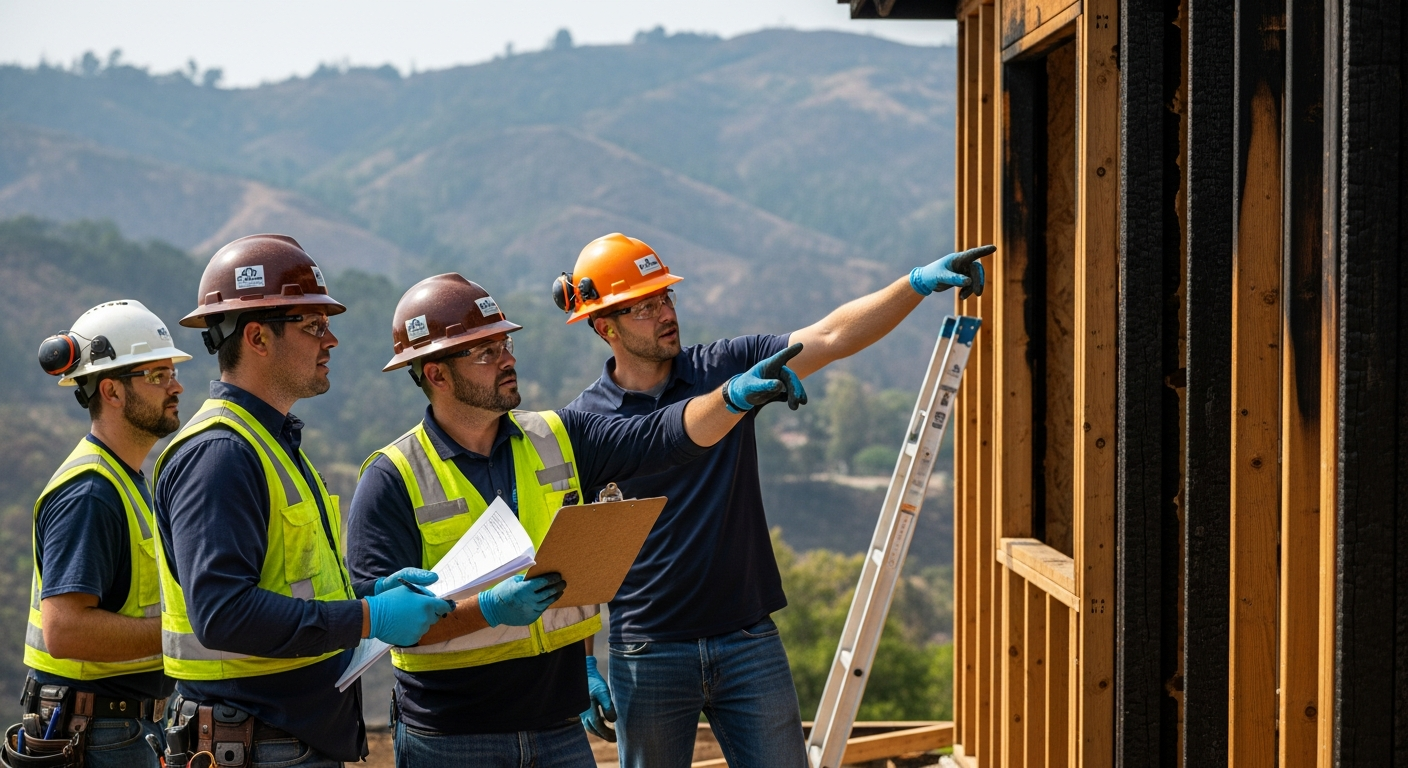
Class A architectural asphalt shingles remain the most popular roofing choice for their balance of cost, performance, and appearance. Modern architectural shingles carry Class A fire ratings as complete assemblies, and many current products include enhanced ember resistance and algae protection suited to the North Bay climate. For homeowners replacing a roof on a budget, quality Class A shingles installed with proper underlayment and flashing details deliver excellent fire performance at the most accessible price point.
Standing seam metal roofing has become the signature look of contemporary Wine Country architecture — and it's also one of the best-performing wildfire materials available. Metal is inherently non-combustible, sheds embers rather than trapping them, and offers a 50-plus year lifespan with minimal maintenance. It also performs well under solar panel installations and reflects summer heat, reducing cooling loads. The higher upfront cost is offset for many homeowners by longevity, insurance considerations, and the clean, modern aesthetic.
Concrete and clay tile are naturally fire-resistant and provide excellent thermal mass, making them a strong choice for Mediterranean and Spanish-style homes common throughout the region. Tile is heavy, however, and structural framing must be designed (or verified) to carry the load — an important consideration for reroofing older homes. Bird stops and mortar details at eaves matter for fire performance, since open tile ends can otherwise collect embers and debris. Synthetic and composite roofing products round out the field: newer composites convincingly mimic wood shake or slate while offering superior fire resistance and lighter weight — an appealing option for homeowners who love the look of shake, which is otherwise one of the worst wildfire materials a home can wear.
Whatever the roofing material, the details determine real-world performance. Ember-resistant vents and ridge vents are now required in many fire zones under the current code. Proper underlayment, flashing, and edge details close the gaps where embers enter. Roof complexity matters too — valleys, dormers, and dead zones where debris accumulates create ignition points that simple roof forms avoid. We treat the roof as a complete fire-resistant assembly, not a single product choice.
Best Siding Options for Wildfire Resilience
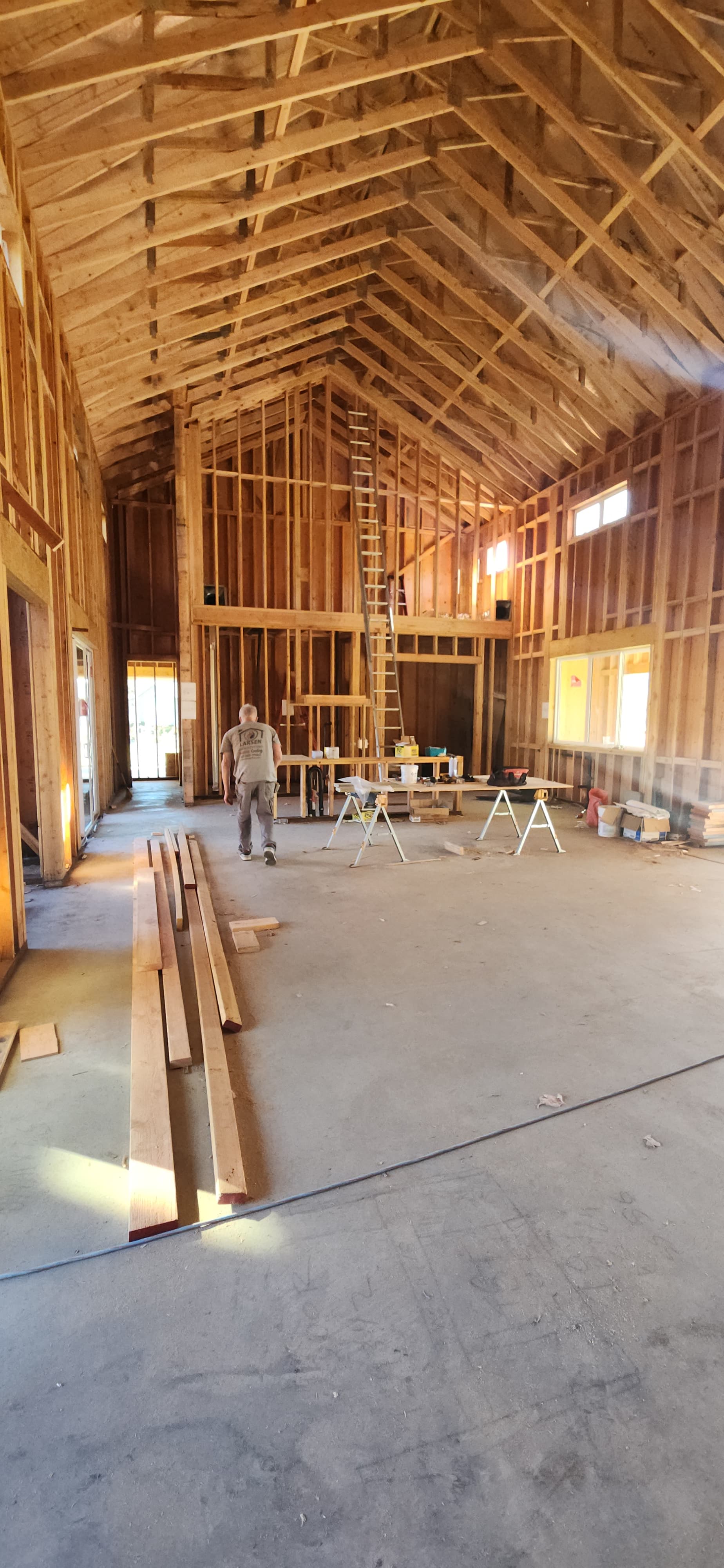
Fiber cement siding — HardiePlank being the best-known brand — is one of the most frequently recommended exterior materials in Sonoma County, and for good reason. It's non-combustible, durable, low-maintenance, and available in lap, panel, and shingle profiles with textures and colors that suit everything from traditional farmhouse to contemporary Wine Country design. It takes paint beautifully and resists the sun exposure and moisture cycling that degrade wood siding here.
Stucco and masonry offer excellent fire resistance and thermal performance with a clean, timeless look. Three-coat stucco over properly detailed lath creates a durable, non-combustible envelope that pairs naturally with tile roofs on Mediterranean-style homes. Stone and masonry veneer accents add both fire performance and visual weight at entries and foundation lines. Metal siding and panels serve contemporary designs and accent walls with complete non-combustibility — standing seam wall panels and corrugated profiles have both found a place in modern Sonoma County architecture.
Ignition-resistant treated wood products exist for homeowners committed to natural wood aesthetics, but they generally require ongoing maintenance and re-treatment to retain their ratings, and insurance carriers increasingly distinguish between treated wood and truly non-combustible claddings. For most clients we recommend achieving warmth through non-combustible materials that evoke wood — fiber cement in woodgrain textures, or limited, carefully detailed wood accents in low-exposure locations — rather than cladding entire walls in combustible material.
Cost Ranges for Roofing and Siding in Sonoma County (2026)
The following are approximate installed costs for a typical 2,000 to 3,000 square foot home in the 2026 Sonoma County market; complexity, access, and specific product selections move these numbers meaningfully. For roofing: architectural Class A shingles run $14,000 to $25,000; standing seam metal runs $32,000 to $55,000; and concrete or clay tile runs $28,000 to $60,000 or more. For full siding replacement or new construction: fiber cement runs $15,000 to $35,000; stucco runs $20,000 to $45,000; and premium or mixed-material exteriors run $30,000 to $70,000 or beyond.
Adding wildfire-specific details — ember-resistant vents, enhanced flashing, metal drip edges, non-combustible eave and soffit treatments — typically adds 5 to 15 percent to the total. Many homeowners find the investment justified several times over: hardened exteriors can improve insurance availability and pricing in a market where coverage has become genuinely difficult, and the peace of mind during fire season has real value that doesn't show up on a spreadsheet.
Benefits Beyond Fire Resistance
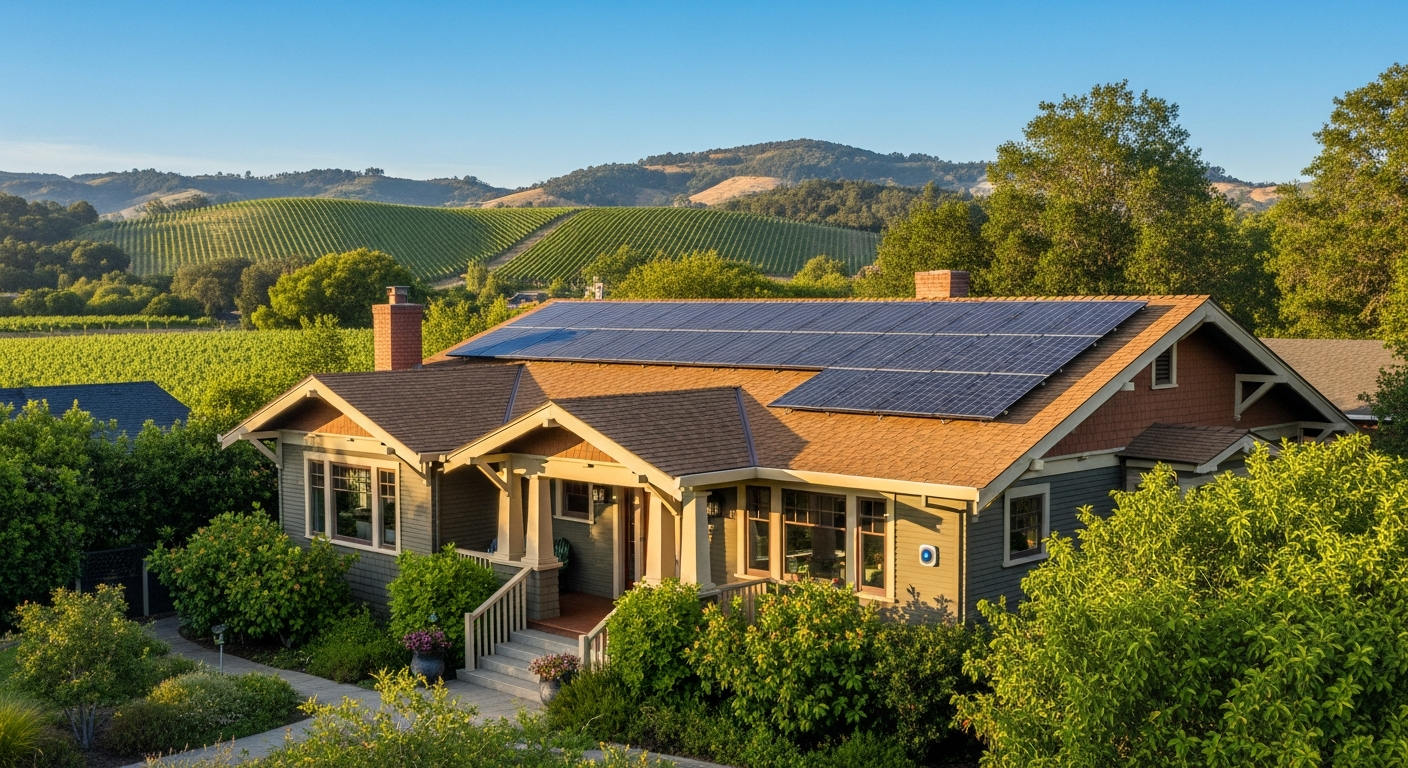
The best argument for fire-resistant roofing and siding is that these materials are simply better materials. Metal roofing and fiber cement siding improve energy efficiency and comfort by reflecting heat and reducing thermal transfer. They dramatically lower long-term maintenance compared to wood alternatives — no seasonal staining, no rot repair, no pest damage. They stand up better to the wind and occasional hail that accompany North Bay winter storms. They enhance curb appeal and resale value in a market where buyers increasingly ask about fire hardening. And a growing number of insurance carriers offer meaningful discounts for homes with documented hardening measures — savings that compound year after year.
How SCB Builders Approaches Fire-Resistant Exteriors
We evaluate each property's specific fire hazard severity zone designation, ember exposure, topography, and design goals before recommending materials. Our team stays current with the tested assemblies that meet California's strict WUI requirements — because compliance is judged on complete assemblies, not individual products, and an excellent material installed with poor detailing fails where it matters most. We coordinate with roofing and siding specialists who understand the details that make the biggest difference: sealing, flashing, and the integration of cladding with windows, vents, and eaves.
Two questions come up in nearly every consultation. "How much extra does it really cost?" — often less than people expect, especially when durability and potential insurance savings are factored in. "Can I upgrade just the roof or siding on an existing home?" — absolutely, and many clients start there as a practical first step toward greater resilience, sequencing the roof first since it faces the greatest ember exposure. Whether you're building new, remodeling, or rebuilding, SCB Builders can help you select and install the best fire-resistant materials for your property, budget, and style. Schedule a free consultation — call (707) 546-2228 or visit scbbuild.com/contact.
Dave Keith, CEO, SCB Builders