Reflections on Rebuilding After the Tubbs Fire: A Family Legacy of Resilience
By Dave Keith, CEO, SCB Builders · July 17, 2025 · Community
The Tubbs Fire of 2017 ravaged Sonoma County, leaving devastation that forever changed our communities. Yet from those ashes rose stories of hope and renewal.
The Tubbs Fire of 2017 ravaged Sonoma County, leaving a trail of devastation that forever changed our communities. Homes reduced to ashes, neighborhoods erased, and families displaced — it's a chapter in North Bay history that tested our spirit to its limits. Yet, from those ashes rose stories of hope, resilience, and renewal. At SCB Builders, a third-generation family-owned company rooted in Santa Rosa, we've been honored to help more than 30 families rebuild their homes and reclaim their lives.
A Community Forever Changed
The Tubbs Fire burned through Sonoma County with terrifying speed on the night of October 8, 2017, destroying more than 5,600 structures and claiming 22 lives. Neighborhoods like Coffey Park and Fountaingrove — entire communities of thousands of homes — were erased almost overnight. For those of us who call this region home, watching neighbors lose everything they had built was devastating beyond words. We saw families standing in driveways filming foundations where their homes had stood hours before.
But we also witnessed something remarkable in the weeks and months that followed: a community that absolutely refused to give up. Neighbors helping neighbors. Local businesses stepping up. Thousands of volunteers clearing debris before families could even begin to think about rebuilding. That spirit — stubborn, generous, deeply Californian — is what ultimately defined Sonoma County's response to the Tubbs Fire.
Our Role in the Rebuild
As a local builder with deep roots in Sonoma County, SCB Builders felt a profound responsibility to help from the moment the fires were out. Our team began working alongside displaced families almost immediately — first helping them navigate the complex and often overwhelming world of insurance claims, then guiding them through the equally complex permitting process that came with large-scale disaster reconstruction.
Fire rebuilds are not like standard new construction. Families are living in temporary rentals, many of them out of their home neighborhoods. Insurance adjusters are involved in every decision. Lot clearing requires soil testing and hazardous material remediation. Permits moved through a specialized disaster-recovery track with new documentation requirements. We learned every step of that process intimately, and used that knowledge to help families move through it faster and with less stress.
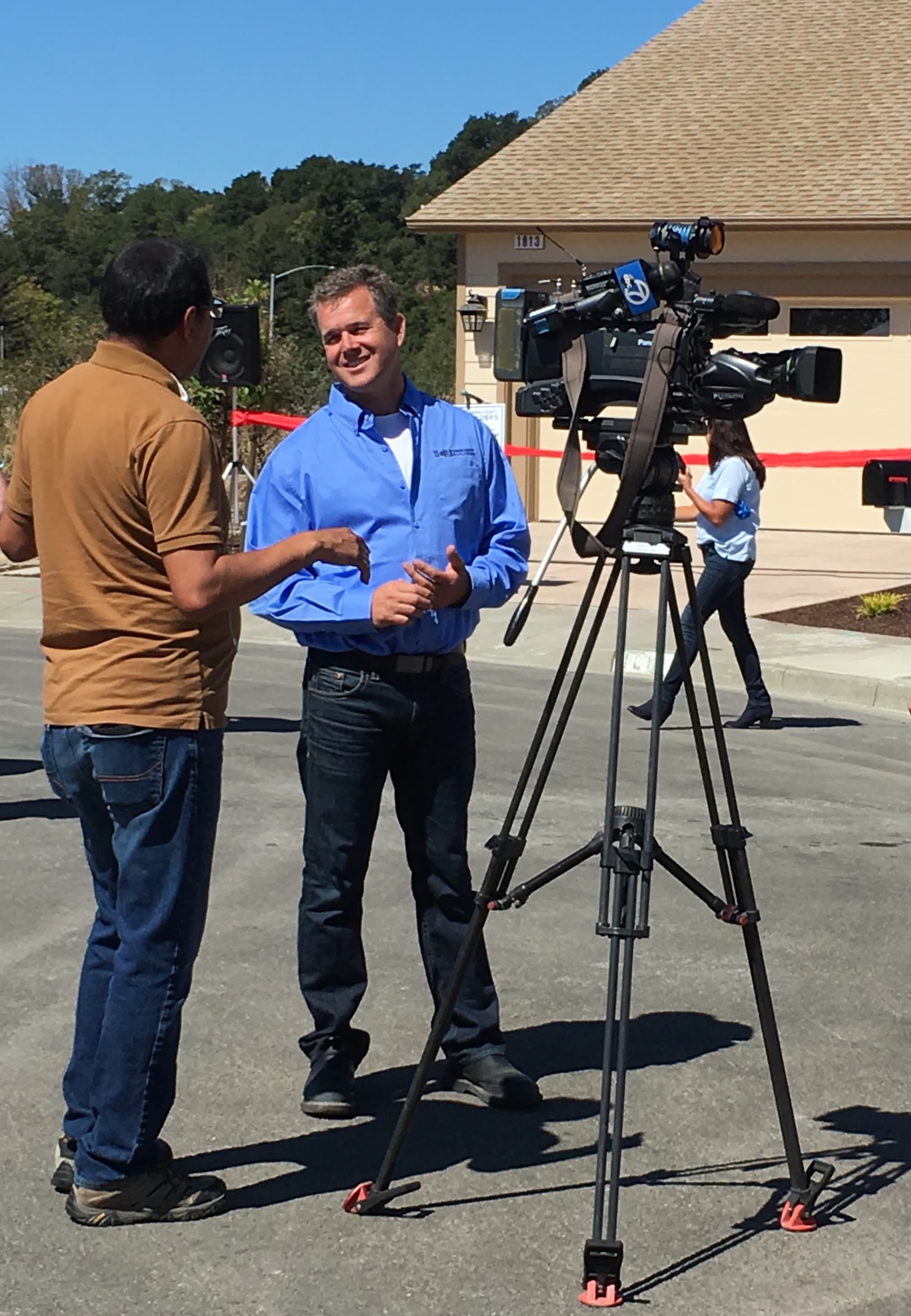
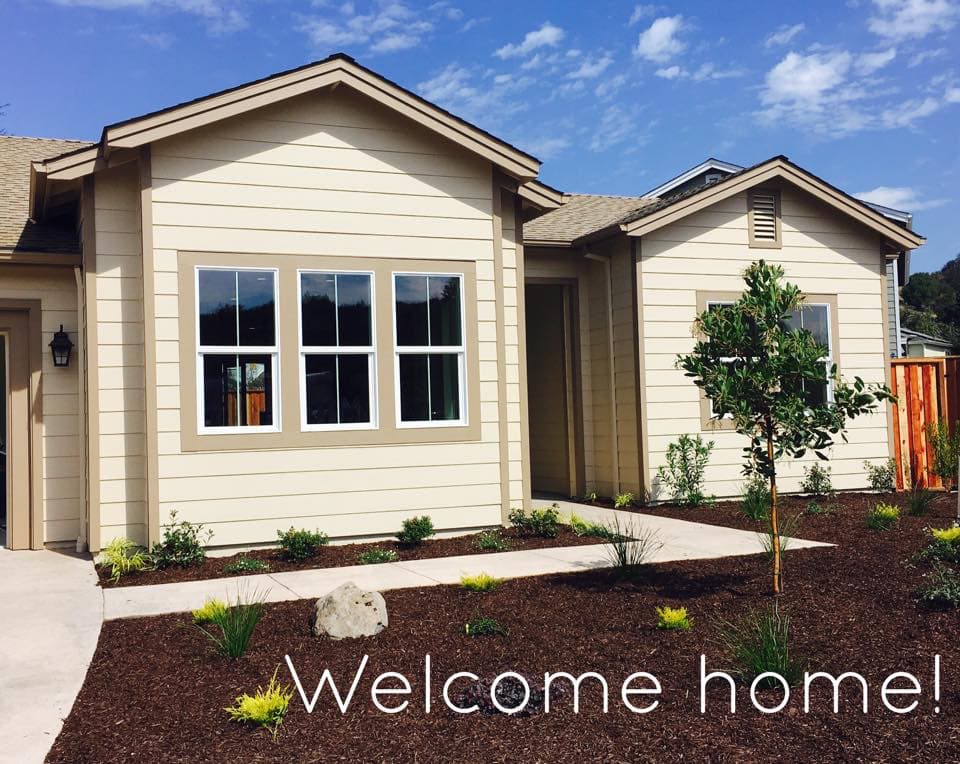
Dave Keith, our company's principal, was interviewed by ABC News at the completion of the first rebuilt home in Fountaingrove — one of just five homes completed in that neighborhood within the first 18 months after the fire. That milestone meant everything to us, but more than the recognition, it meant a family was home again.
What Made Fire Rebuilds Different
Every construction project has its challenges. Fire rebuilds carry a different emotional weight entirely. The families we worked with weren't upgrading — they were starting over. In many cases they had lost not just their homes but irreplaceable belongings, photographs, heirlooms, and the physical spaces where their most important memories had been made. Our job wasn't simply to pour concrete and frame walls. It was to help people feel safe again.
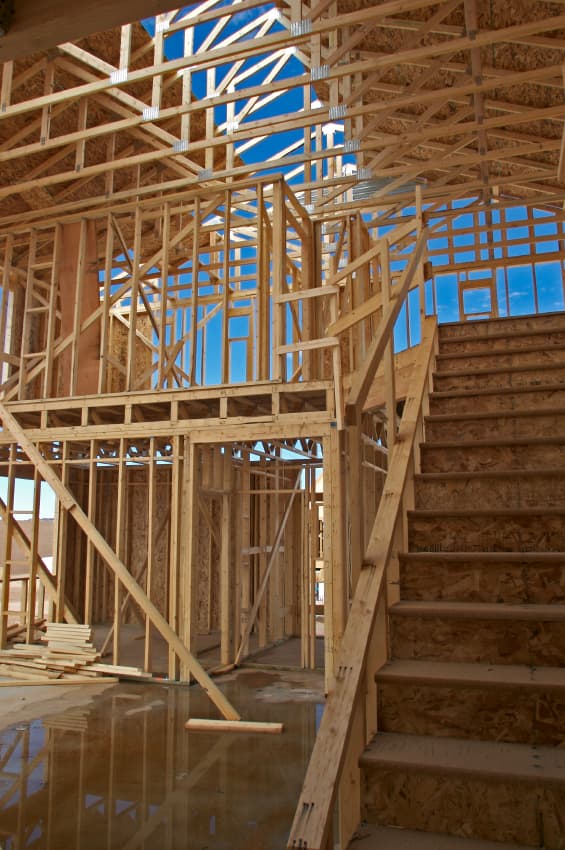
Practically speaking, fire rebuilds brought specific technical challenges. Lot clearing had to be thorough — ash and debris required proper remediation before any new foundation work could begin. New California fire codes, updated in response to the 2017 fires, required materials and construction methods that many suppliers and subcontractors were not yet familiar with. We stayed ahead of every code update, attending training sessions and working directly with county building officials to ensure our projects met — and in most cases exceeded — the new requirements.
Insurance coordination was another major component. We worked directly with homeowners' adjusters to document scope, justify costs for code-required upgrades, and ensure families received full replacement value for what they had lost. This advocacy on behalf of our clients saved many of them tens of thousands of dollars.
Building Back Stronger
Every home we rebuilt was designed and built to be meaningfully safer than the one it replaced. Fire-resistant materials, ember-proof vents, Class A roofing, and defensible landscaping buffers — these weren't just code requirements. They were promises we made to families that their new homes would give them a fighting chance in a future fire event. We combined those safety features with the Wine Country aesthetic those families loved.
Typical upgrades we incorporated in every Tubbs rebuild:
- Class A fire-rated roofing assemblies — metal, concrete tile, or Class A composite shingles replacing the wood shake roofs common in older Fountaingrove and Coffey Park homes
- Ember-resistant vents approved by the California State Fire Marshal, replacing standard mesh vents that allow embers to enter attics
- Fiber cement or stucco exteriors replacing combustible wood siding
- Dual-pane tempered glass windows that resist radiant heat far better than single-pane glass
- Non-combustible deck surfaces built with composite or metal materials
- Five-foot non-combustible buffer zones immediately around the home, as required by updated fire codes
In addition to structural upgrades, we helped families design updated floor plans that better fit how they live now — incorporating home offices for remote work, open layouts for entertaining, and in some cases, space for aging parents or adult children.
The Emotional Side of Rebuilding
We learned early on that rebuilding after a fire is as much an emotional process as a construction one. Some families wanted their new home to look as similar to the original as possible — they wanted to restore what they had lost, not reimagine it. Others saw the rebuild as an opportunity to create a home that better fit their current needs. Both approaches are completely valid, and we worked to meet each family exactly where they were.
We built regular touchpoints into our process — not just about construction progress but about how families were doing overall. We made ourselves available to answer questions at all hours. We attended inspections with families so they understood what was happening and felt in control of the process. Several families told us afterward that our consistency and communication was as important to them as the quality of the construction itself.
There is something humbling about being trusted with a project that means so much to a family. We don't take that responsibility lightly, and the Tubbs rebuilds remain among the most meaningful work we've ever done.
Lessons That Guide Us Today
- Fire-resilient construction is not optional in California — it's essential for every new home and major renovation
- Insurance advocacy matters — families deserve a builder who fights alongside them to maximize their recovery
- Communication and empathy are as important as technical expertise on disaster rebuild projects
- Local builders who know Sonoma County's codes, terrain, and suppliers navigate challenges that outside builders cannot
- Every rebuild is an opportunity to create something even better — safer, smarter, and more suited to how families live today
Looking Forward
Years later, the neighborhoods of Fountaingrove and Coffey Park have been reborn. Children play in yards where there was once only ash and debris. Families gather in kitchens that didn't exist before 2019. The physical scars of 2017 are largely healed, though the memories remain sharp for those who lived through it.
California faces ongoing wildfire risk, and the lessons learned from the Tubbs Fire — by communities and builders alike — have fundamentally changed how we think about construction in fire-prone areas. We are grateful for what those experiences taught us, even as we grieve the circumstances that made those lessons necessary.
At SCB Builders, the Tubbs Fire rebuilds confirmed what we had always believed: our work is about far more than construction. It's about helping families reclaim their sense of security, stability, and belonging. Whether you're rebuilding after a disaster or planning a new custom home in Sonoma County, we bring that same dedication and personal commitment to every project.
How to Choose the Right Contractor for a Fire Rebuild
Not every contractor has the experience to navigate a fire rebuild. The process is meaningfully different from standard new construction, and the stakes — financial, logistical, and emotional — are higher. If you're evaluating contractors for a fire rebuild in Sonoma County, here are the questions we'd recommend asking every company on your list.
Have you completed fire rebuilds in California? Experience with the specific regulatory environment, insurance coordination process, and site remediation requirements that fire rebuilds involve is not something a contractor can learn on the fly. Ask for specific project references and, if possible, speak with those homeowners directly.
Are you licensed, bonded, and insured in California? Verify the CSLB license number independently at the Contractors State License Board website (cslb.ca.gov). SCB Builders is licensed under CSLB #1050494 — you can verify our license, bond, and insurance status in under two minutes.
Do you have experience working with insurance adjusters? This is a specialized skill that separates contractors who excel at fire rebuilds from those who simply construct buildings. Effective advocacy in the insurance process can recover tens of thousands of dollars that an inexperienced contractor would leave on the table.
Are you familiar with current California fire-resilient construction requirements? The codes have changed substantially since 2017 and continue to evolve. Ask specifically about Chapter 7A compliance and the products and assemblies the contractor uses for roofing, venting, siding, and decking on fire-zone projects.
What does your communication process look like? A fire rebuild takes 12–18 months from start to finish. Ask specifically how you'll be kept informed, how often you'll receive updates, and who your primary contact will be throughout the project. Communication quality is consistently cited by fire rebuild families as one of the most important factors in their satisfaction with their contractor.
Contact SCB Builders today to discuss how we can help you build your future — safely, beautifully, and with the deep local expertise that only a third-generation Sonoma County builder can bring.
Dave Keith, CEO, SCB Builders