Sustainable Interior Finishes & Materials for Eco-Friendly Custom Homes in Sonoma County's Wine Country 2026
By the SCB Builders Team · September 25, 2026 · Sustainability
Sustainability is becoming a core expectation in Sonoma County home building. Here's a room-by-room guide to eco-friendly flooring, paints, cabinetry, countertops, and finishes — with 2026 cost premiums and honest guidance on what performs best in Wine Country's climate.
Sustainability is no longer just a trend in Sonoma County home building — it's becoming a core expectation for discerning homeowners. Whether you're building a new custom home or completing a major remodel in Santa Rosa, Healdsburg, or other Wine Country communities, choosing eco-friendly interior finishes and materials delivers benefits that go far beyond environmental stewardship: healthier indoor air, lower long-term costs, better durability, and homes that hold their value in a market where buyers increasingly ask about green features.
Sonoma County's Mediterranean climate, wildfire risk, and emphasis on Wine Country living create unique considerations for interior materials that generic green building advice often misses. Sustainable choices here overlap naturally with other local priorities: improved indoor air quality (especially important during and after wildfire smoke seasons), better energy efficiency to meet the latest California building codes, greater durability against seasonal temperature swings, reduced maintenance over decades of ownership, and higher resale value as buyers increasingly seek documented green features. For many of our clients, the alignment with personal values around environmental stewardship is what starts the conversation — but the practical benefits are what justify the decisions.
The 2025/2026 California Building Standards Code amplifies all of this, emphasizing energy efficiency, electrification, and construction waste reduction — making sustainable material choices more relevant than ever during both new construction and remodels. At SCB Builders, we've integrated sustainable material selection into our design-build process for years. Here's our practical, room-by-room guide to what works in Wine Country homes, what it costs, and where the investment pays off.
Key Principles for Choosing Sustainable Interior Materials
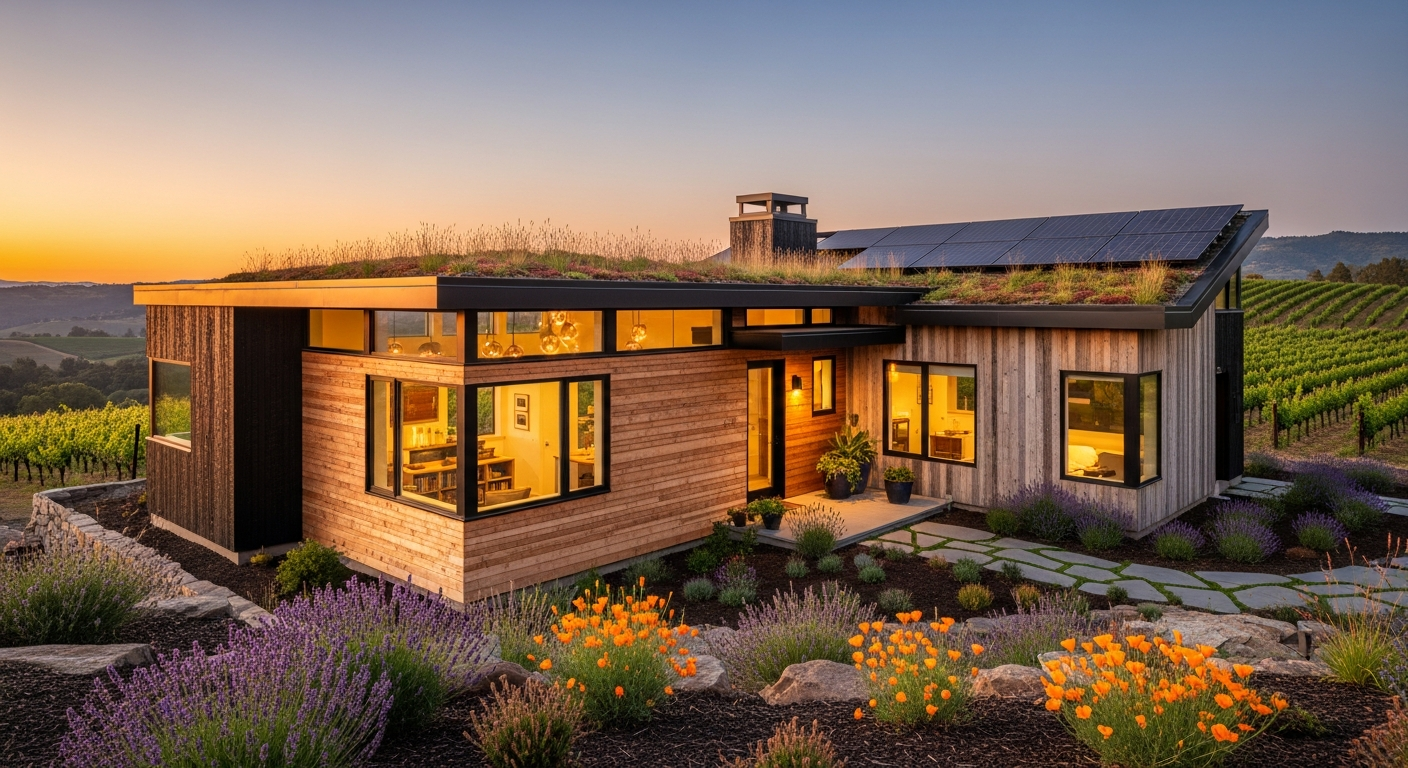
When selecting finishes for a custom home or remodel, we guide clients using a consistent set of core principles: low or zero VOC content for healthier indoor air; durability and low maintenance to reduce replacement cycles (the greenest material is the one you never have to replace); locally sourced or responsibly harvested materials whenever possible; recycled or rapidly renewable content; compatibility with wildfire-resilient and energy-efficient design; and timeless aesthetics that complement Wine Country style rather than chasing trends that will feel dated in five years.
That durability principle deserves emphasis because it's the one most often overlooked. A floor that lasts forty years has half the lifetime environmental footprint of one replaced every twenty — regardless of what either is made from. Lifecycle thinking, not just point-of-purchase attributes, drives the best sustainable material decisions.
Flooring: The Biggest Surface, the Biggest Impact
Flooring is one of the largest surface areas in a home and has a major impact on both sustainability and daily living. Locally sourced or FSC-certified hardwood offers warmth and beauty that suits Wine Country interiors perfectly; engineered hardwood with sustainable cores often provides better stability than solid wood in Sonoma's climate, where dry summers and damp winters cycle moisture through a home year after year. Bamboo and cork are rapidly renewable and naturally antimicrobial — and cork's sound insulation and comfort underfoot make it especially popular in our multi-generational and aging-in-place projects, where softer, warmer floors genuinely matter.
Modern rigid-core luxury vinyl plank has earned a legitimate place in sustainable projects, with leading products now offering high recycled content, low VOC certifications, and excellent durability. Many convincingly mimic hardwood or stone while being more water-resistant and easier to maintain — a practical choice for baths, laundries, and busy family zones. Porcelain and ceramic tile with recycled content excel in high-traffic areas and pair beautifully with radiant floor heating, an efficient comfort upgrade in all-electric homes. Natural stone from responsibly operated quarries adds timeless elegance that never needs replacing — the ultimate durability argument.
Walls, Ceilings, and the Air You Breathe
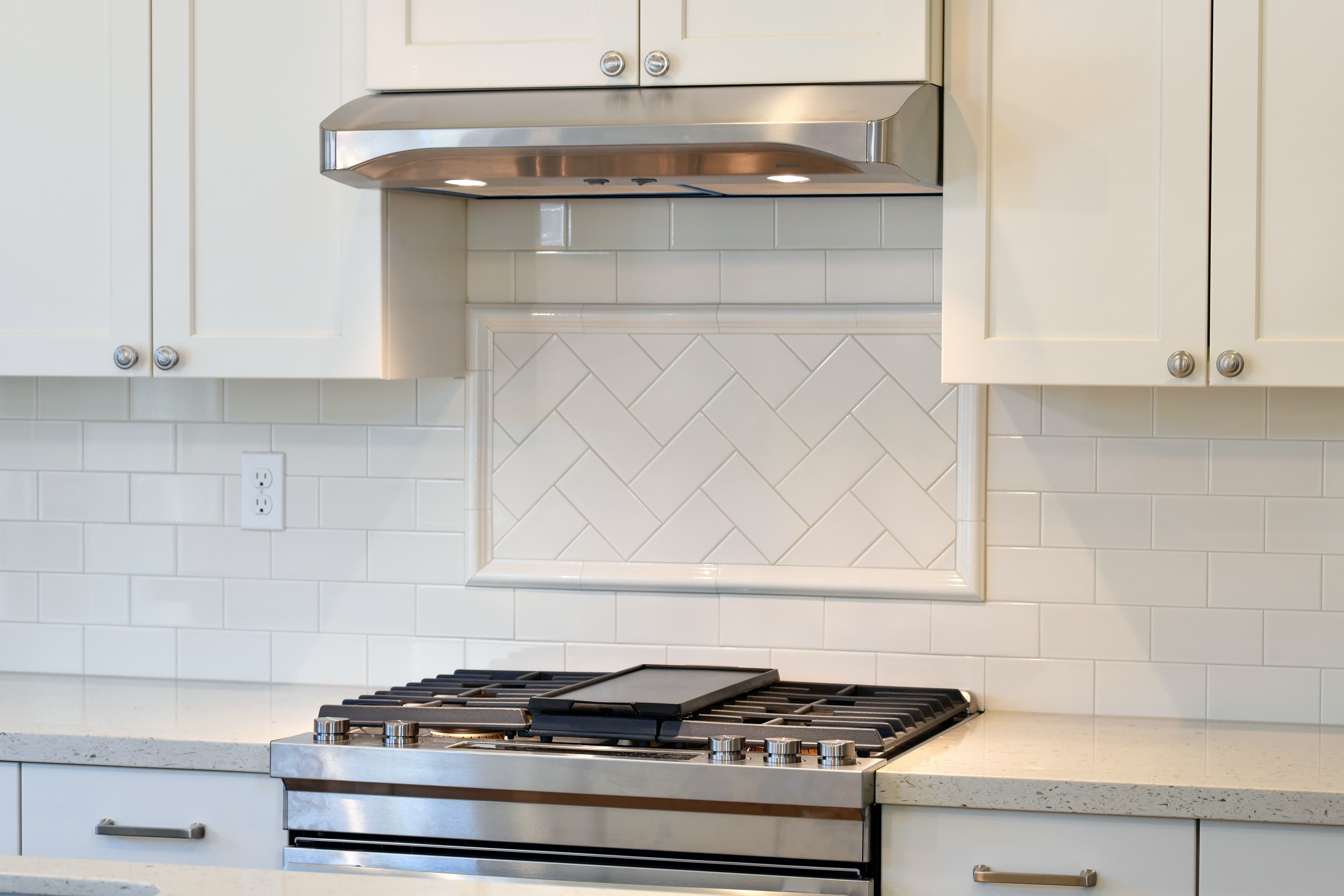
High-quality low- and zero-VOC paints from major brands now offer excellent coverage and durability without compromising indoor air quality — the performance penalty that once accompanied green paints is simply gone. Clay-based and mineral paints are gaining popularity for their natural composition and breathability, which helps regulate interior humidity through Sonoma's seasonal swings. Natural fiber wallcoverings, grasscloth, and lime or clay plasters provide texture and character while remaining low-impact — and lime plaster in particular brings an old-world Wine Country warmth that painted drywall can't match.
Reclaimed and salvaged wood deserves special mention for Sonoma County homes. Accent walls or ceiling treatments using reclaimed barn wood or locally sourced timber add genuine character while reducing demand for new resources — and because these are interior applications, they don't conflict with the exterior fire-resistance priorities that limit wood use on the outside of local homes. The indoor air quality benefits of this whole category become most tangible during wildfire smoke events, when windows stay closed for days and the home's interior materials are the air you breathe. Low-VOC interiors paired with good filtration make a measurable difference in those weeks.
Cabinets, Countertops, and Millwork
Cabinetry in sustainable projects starts with FSC-certified wood, formaldehyde-free cores, and low-VOC finishes — now standard offerings rather than specialty orders. Many of our clients choose locally made or regional cabinetmakers, which reduces transportation emissions while supporting North Bay craftspeople and typically delivering better quality control than imported boxes. For countertops, the strongest options include recycled glass and concrete composites, quartz products with high recycled content, butcher block from sustainably harvested wood, and natural stone from responsible sources. Throughout the selection process, we steer clients away from materials with high embodied carbon or harmful chemistry — because a beautiful surface shouldn't come with a hidden cost.
Water-based, low-VOC, and plant-based stains and sealants protect wood surfaces while minimizing off-gassing, perform well in our climate, and are safer for families and pets. High-performance windows and doors with low-E coatings dramatically improve energy efficiency; FSC-certified wood frames or aluminum-clad options with recycled content support sustainability goals while meeting the fire-resistance requirements that govern Sonoma County exteriors. LED lighting throughout, smart controls, and occupancy sensors round out the efficiency picture — and during new construction or major remodels, we pre-wire for future solar, battery storage, and EV charging so the home is ready for whatever comes next.
Integrating Sustainability with Wildfire Resilience and Energy Codes
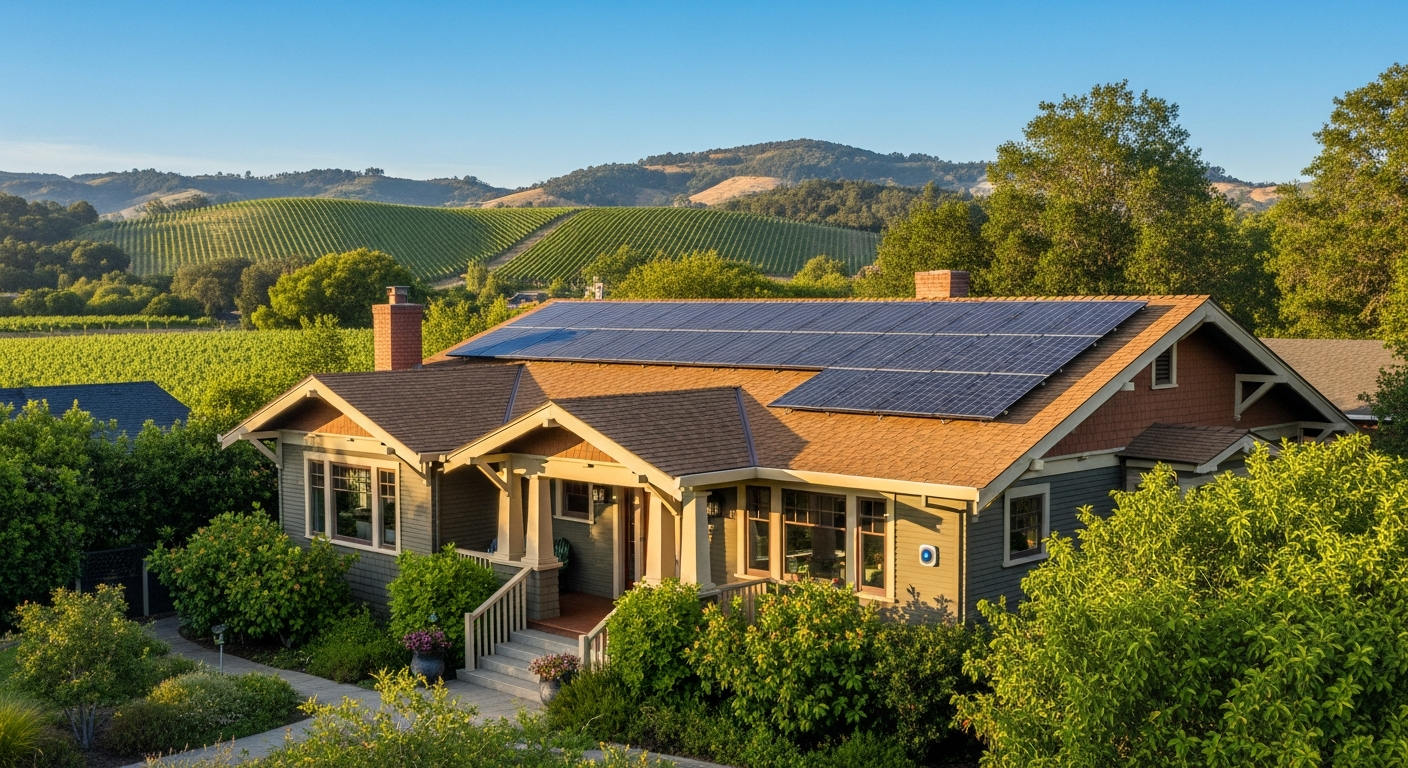
Sustainable interior choices work hand-in-hand with exterior wildfire-resistant features rather than competing with them. Low-VOC materials improve indoor air quality precisely when it matters most — during smoke events when the home is sealed. Energy-efficient insulation, windows, and HVAC systems reduce the load on the all-electric heat pump systems now favored under the latest building codes, letting smaller, quieter equipment deliver better comfort. Many clients combine sustainable interiors with other SCB Builders specialties — safe rooms, ADUs, or whole-home energy upgrades — into a single coordinated project that addresses health, resilience, and efficiency together rather than piecemeal.
What the Premium Really Costs in 2026
Sustainable materials often carry a modest upfront premium, but the long-term value is significant: lower utility bills through better energy performance, reduced maintenance and replacement costs, potential insurance benefits, and higher resale appeal in the Sonoma County market. As approximate 2026 premiums: low-VOC paints and finishes run 10–30% over standard products; sustainable flooring (cork, bamboo, high-quality LVP) carries a 15–40% premium; and eco-friendly cabinetry and countertops run 10–35% above conventional equivalents. Many homeowners recover these costs through energy savings and increased home value within five to ten years — and the health benefits begin the day you move in.
Three questions come up in nearly every consultation. "How much more expensive is it really?" — the premium varies but is often smaller than expected, especially when lifecycle costs are considered. "Can I incorporate sustainable materials in a remodel instead of new construction?" — absolutely; many of our most successful sustainable projects are whole-home remodels or targeted updates. "Do these materials hold up in Sonoma County's climate?" — yes; when properly selected and installed, sustainable materials often outperform conventional ones in durability and performance.
At SCB Builders, we don't believe in one-size-fits-all green building. We work with each client to prioritize what matters most — maximum energy efficiency, the healthiest possible indoor environment, locally sourced materials, or the best balance of performance and aesthetics. Our design-build process lets us evaluate material choices early, coordinate with architects and designers, and ensure everything works together with wildfire resilience, seismic standards, and your budget. Whether you're planning a new custom home, a whole-home renovation, or targeted updates, contact us for a free consultation. Call (707) 546-2228 or visit scbbuild.com/contact to explore material options that fit your project and your values.