Financing Your Custom Home Build or Major Remodel in Santa Rosa & Sonoma County: Options, Incentives & Tips for 2026
By the SCB Builders Team · August 14, 2026 · Financing
Building or remodeling in Sonoma County is a significant investment — but the right financing strategy makes it achievable. Here's a complete guide to construction loans, home equity options, PACE programs, and tax incentives available to Sonoma County homeowners in 2026.
Building or remodeling a home in Sonoma County is one of the most significant financial decisions a family makes — and in 2026, navigating the financing landscape requires more preparation than ever. Interest rates have shifted, local program options have evolved, and the complexity of new construction in a high-cost, wildfire-affected market like Santa Rosa means that the gap between "project approved" and "project funded" can sink timelines without proper planning. The good news: there are more financing tools available to Sonoma County homeowners today than at any point in recent memory, from specialized construction loans to state and federal energy incentives that can meaningfully reduce your out-of-pocket investment.
At SCB Builders, we've guided clients through financing for new custom homes, major remodels, ADU additions, and wildfire recovery rebuilds for three generations. We don't offer financial advice, but we do know what lenders need to see from a builder to approve complex construction projects — and we know the local programs that can make your project more financially feasible. This guide covers the major financing categories, local incentive programs, and practical steps that Sonoma County homeowners should understand before committing to a project scope.
The most important single step in financing a major construction project is getting qualified before you finalize your design. Too many homeowners spend months developing detailed architectural plans only to discover that the project they've envisioned exceeds what they can borrow. Working with your lender first — even for a preliminary qualification range — gives your builder a realistic budget framework and saves everyone time, money, and frustration. At SCB Builders, we build a preliminary cost range into every consultation specifically to help clients calibrate before committing to detailed plans.
Construction-to-Permanent Loans: The Most Common Path for New Builds
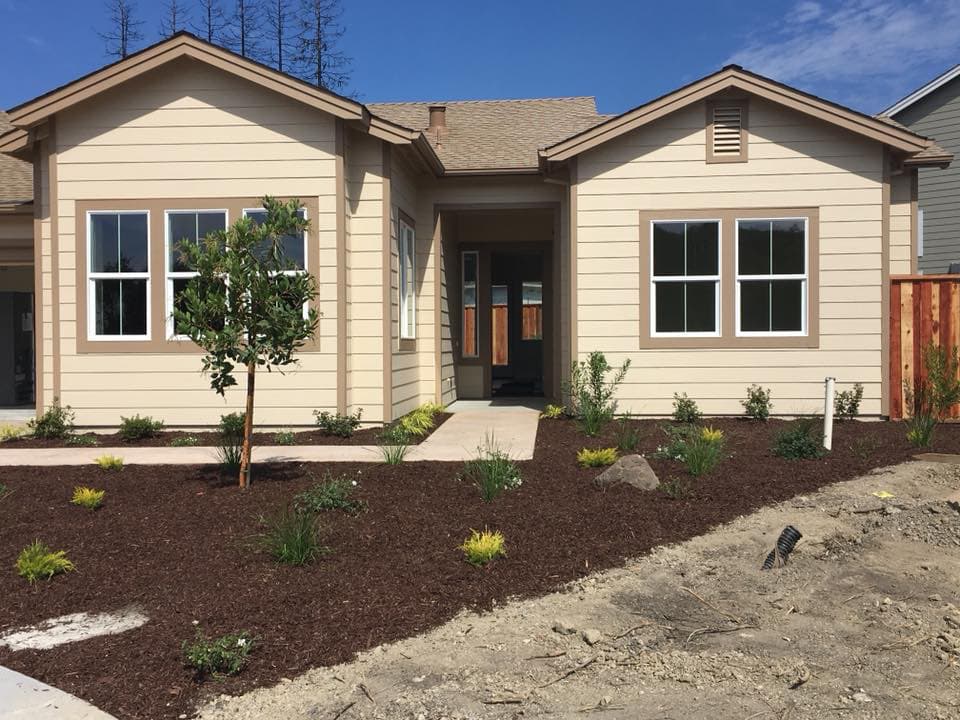
A construction-to-permanent loan is the standard financing vehicle for ground-up custom home construction in Sonoma County. Unlike a traditional mortgage (which funds the purchase of an existing home), a construction loan releases funds in stages — called draws — as construction milestones are reached and inspected. Once the certificate of occupancy is issued, the loan converts to a permanent mortgage, typically with a single closing process.
Key features in 2026 include interest-only payments during the construction phase, which typically runs six to eighteen months for a custom home in Sonoma County when permitting, site work, and construction timelines are factored in realistically. Many lenders now offer one-time close products that lock your permanent rate at the start of construction, reducing uncertainty about what your long-term payment will be. Loan amounts are generally based on the lower of the appraised value (based on plans and comparable sales) or the actual cost to build — which is why having accurate, detailed cost estimates from your builder is essential to maximizing your approved loan amount.
Several North Bay and regional lenders specialize in construction loans for Wine Country properties and understand the complexities of hillside lots, WUI zone requirements, and Permit Sonoma timelines. Working with a builder who has existing lender relationships can genuinely accelerate the approval process — lenders are more comfortable approving loans for builders with demonstrated track records, and they're more confident in draw schedules submitted by builders who have completed similar projects in the local market.
Home Equity Options for Remodels and Additions
For existing homeowners planning major remodels, kitchen or bathroom renovations, ADU additions, or whole-home accessibility upgrades, tapping existing equity is often the most cost-effective financing path. Sonoma County home values have remained strong through market fluctuations, meaning many long-time residents are sitting on substantial equity that can be leveraged for improvements.
A Home Equity Line of Credit (HELOC) offers flexible revolving credit with variable interest rates — well suited for phased projects where costs are disbursed over time. Cash-out refinancing replaces your current mortgage with a larger one and provides the difference in cash for improvements; this approach can be attractive when refinancing at a favorable rate also improves your overall mortgage terms. Home Equity Loans provide a fixed-rate lump sum, ideal when you have reliable cost estimates and want payment certainty throughout the project. Each option has specific qualification requirements, and the right choice depends on your current mortgage, credit profile, project scope, and timeline. A local mortgage broker familiar with Sonoma County values and the construction market can help identify the best fit for your situation.
Specialized Programs and Incentives Available in Sonoma County
Sonoma County homeowners have access to several financing programs and tax incentives that can meaningfully reduce the cost of energy efficiency, wildfire resilience, and seismic upgrades. These programs are frequently underutilized because homeowners and builders don't know they exist — or don't take the time to navigate the application process. SCB Builders helps clients identify and apply for every applicable program as part of our project management process.
The Sonoma County Energy Independence Program (SCEIP) is a Property Assessed Clean Energy (PACE) program that finances energy efficiency, water conservation, wildfire safety, and seismic improvements through your property tax bill. Rather than a separate loan payment, repayment is structured as a property tax assessment spread over many years. SCEIP can cover items like solar panels, heat pump HVAC systems, battery storage, ember-resistant vents, fire-resistant roofing and siding, and seismic retrofits — making it an excellent complement to a construction or renovation loan for comprehensive projects.
Federal tax credits under the Inflation Reduction Act remain available in 2026 for qualifying energy improvements: heat pump systems (both space heating and water heating), solar panels and battery storage, EV charging equipment, high-efficiency windows, and insulation upgrades can all generate meaningful credits that reduce your federal tax liability in the year of installation. California-specific incentives add another layer of savings for some projects. SCB Builders coordinates the documentation and certification needed to claim these credits, ensuring nothing is left on the table.
For wildfire mitigation specifically, several state and county programs provide low-interest loans or partial grants for defensible space improvements, ember-resistant vents, fire-resistant roofing and siding, and related hardening measures. These programs change periodically as funding is renewed, so checking current availability with a local lender or the Sonoma County Agricultural Preservation and Open Space District is worthwhile for any project with a significant fire-resilience component.
ADU-Specific Financing Options
Accessory Dwelling Units have become one of the most financially attractive improvements a Sonoma County homeowner can make — both for personal use and as rental income generators. Several lenders have developed specialized ADU financing products that account for the projected rental income of the new unit when qualifying the borrower, which can allow a larger loan than standard home equity options would support. The state of California has also removed many of the permitting barriers that previously made ADUs impractical, and local jurisdictions including Santa Rosa and unincorporated Sonoma County have followed with streamlined ADU approval processes.
Steps to Secure Financing Successfully
The homeowners who move through construction financing most smoothly share a common approach: they start the process early, work with experienced local professionals, and build in realistic contingencies. Get pre-qualified before finalizing your design so your architect and builder are working within a confirmed budget range. Require detailed, line-item cost estimates from your builder — vague estimates don't satisfy lenders and don't protect you from scope creep. Factor in soft costs: permit fees, architectural and engineering fees, inspections, utility connections, and a contingency reserve of at least 10–15% of hard construction costs. On Sonoma County hillside lots where site work costs can be unpredictable, 15% is the more prudent floor.
Consider the total cost of ownership, not just the construction budget. Energy-efficient features like heat pump systems, solar and battery storage, and high-performance insulation and windows reduce long-term operating costs. Wildfire-resilient construction — fire-resistant roofing, ember-resistant vents, non-combustible exterior cladding — can reduce homeowners insurance premiums in a market where coverage has become both expensive and difficult to obtain. These features add cost upfront but reduce ongoing expenses in ways that affect the real financial performance of the investment over time.
Be honest with your lender about your income profile early in the process. Self-employment income, variable income from wine industry or agricultural sources, and rental income from existing properties are all common in Sonoma County and all require specific documentation for construction loan qualification. Having your accountant and lender aligned before you begin the design process prevents qualification surprises that can derail projects months into planning.
SCB Builders helps clients prepare strong packages for lenders: professional cost estimates with detailed line items, portfolios of completed comparable projects, references from past clients, current licenses, bonding, and insurance documentation, and realistic construction schedules that align with the draw structure the lender requires. If you're planning a custom home or major remodel in Santa Rosa or Sonoma County and want to understand your financing options, contact us for a free consultation. Call (707) 546-2228 or visit scbbuild.com/contact to get started.