Design-Build vs. Traditional Construction: Why Sonoma County Homeowners Choose a Local Custom Builder in 2026
By the SCB Builders Team · July 31, 2026 · Custom Homes
Should you hire an architect separately and then bid to contractors, or work with a single design-build team? For most Sonoma County custom home and remodel projects, the choice has significant implications for timeline, budget, and accountability.
When Sonoma County homeowners begin planning a custom home or major remodel, one of the first strategic decisions they face is how to structure the project itself: hire an architect independently, then bid the work to contractors? Or find a single team that handles design, permitting, and construction under one roof? This choice — design-build versus traditional design-bid-build — can determine whether a project finishes on time, on budget, and with the result you envisioned. It also shapes your day-to-day experience: how many vendors you're managing, how conflicts get resolved, and who's accountable when things don't go as planned.
As a third-generation family-owned builder serving Santa Rosa and Sonoma County since the 1970s, SCB Builders has worked in both models. We've seen clients arrive after frustrating experiences with the traditional method — misaligned expectations between their architect and contractor, budget surprises during bidding, or scheduling delays at every handoff. We've also seen design-build deliver exactly what it promises: faster timelines, fewer change orders, and a team that actually communicates. Here's an honest breakdown of both approaches.
The fundamental difference comes down to accountability. In the traditional model, you hold two separate contracts — one with your architect and one with your general contractor. If construction costs come in over budget, or if something is unclear in the drawings, you're often caught in the middle between two parties each pointing at the other. In design-build, one team is accountable for everything from the first sketch to the final walkthrough. That single point of responsibility changes the entire dynamic of the project.
How Design-Build Works in Practice
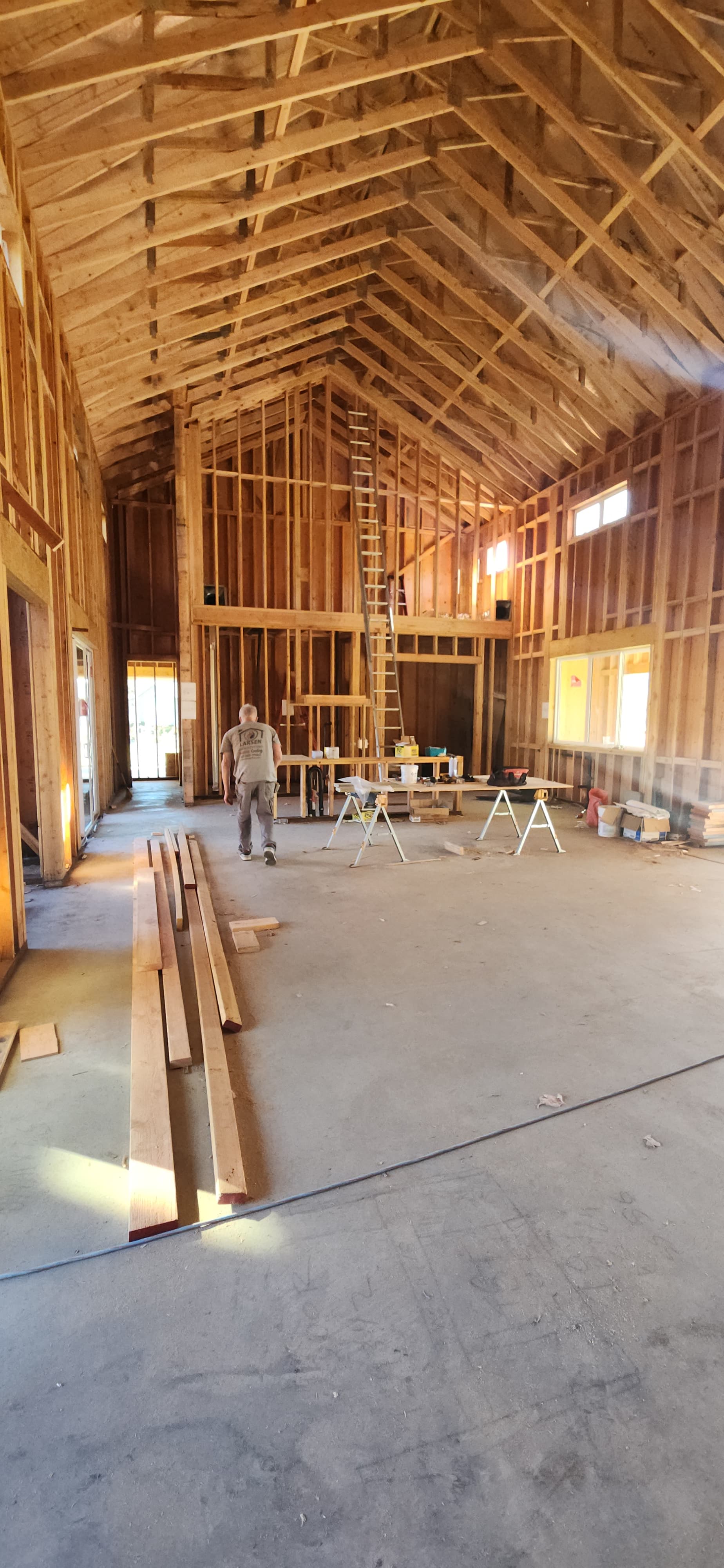
In a true design-build project, the architectural design process and construction planning happen simultaneously rather than sequentially. Your builder's input on framing methods, material costs, subcontractor availability, and local permit requirements shapes the design from day one — before expensive drafting work locks in specifications that may not be buildable within your budget. This real-time cost feedback loop is one of the most powerful advantages of the design-build model.
For Sonoma County projects specifically, the local knowledge built into the design-build process is invaluable. Hillside lots in the Fountaingrove, Rincon Valley, or Calistoga Road areas come with soil reports, geologic hazard assessments, and defensible space requirements that an out-of-area architect may not fully anticipate. WUI zone fire ratings, Permit Sonoma's specific plan check preferences, and the utility connection realities in rural County areas are all factors an experienced local design-build team navigates as a matter of routine — not expensive, time-consuming discovery during permit review.
The timeline benefits are real and substantial. In the traditional model, you might spend six to twelve months in design and plan check before a shovel hits the ground, then another two to four months in the bidding process. In design-build, construction can often begin on foundations while interior details are still being finalized. For a custom home in today's Sonoma County market — where material lead times and subcontractor availability fluctuate — compressing the pre-construction phase by even a few months translates directly into significant cost savings and earlier occupancy.
Advantages of Design-Build for Wine Country Homeowners
Budget certainty is perhaps the most frequently cited advantage by homeowners who choose design-build. When your builder is involved in the design process from the beginning, estimates aren't theoretical — they're grounded in real subcontractor relationships, current material pricing, and direct experience with similar projects in the local market. The budget surprises that commonly emerge during bidding in the traditional model — the moment when homeowners discover their dream home costs 30% more than their architect estimated — are far less common when construction expertise informs design throughout.
Single-source accountability means that if something isn't right — a window wasn't ordered to spec, a subcontractor's work doesn't meet standards, a permit condition wasn't addressed — you have one phone call to make. There's no finger-pointing between the architect who drew it and the contractor who built it. The design-build team owns the outcome completely, which creates strong internal incentives for quality control and proactive problem-solving at every stage.
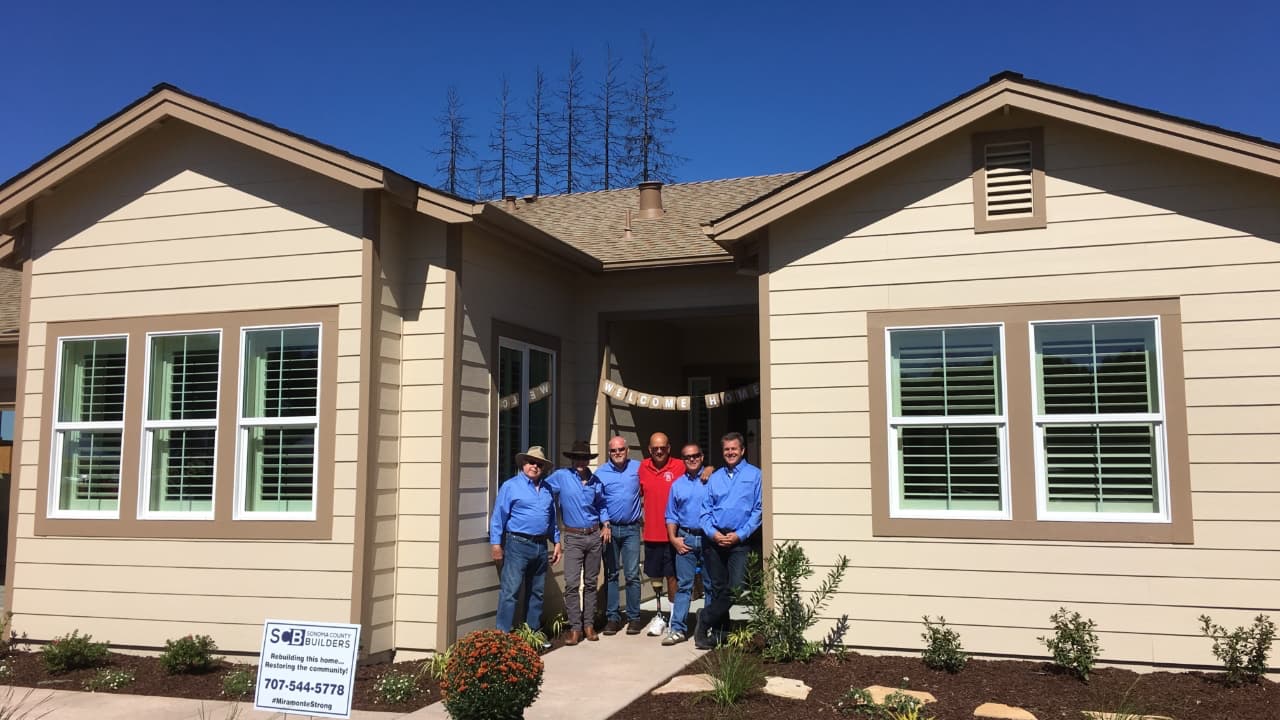
For homeowners rebuilding after the Tubbs Fire or other wildfire losses, the design-build model offered particular advantages during the reconstruction surge. When hundreds of families were trying to rebuild simultaneously, contractors who were also involved in design could quickly adapt specifications to available materials, adjust floor plans for supply chain realities, and maintain progress without waiting for architectural revisions to work through a separate firm's process. SCB Builders guided many families through this experience, and the feedback consistently pointed to the value of having one integrated team leading every phase.
When the Traditional Model Still Makes Sense
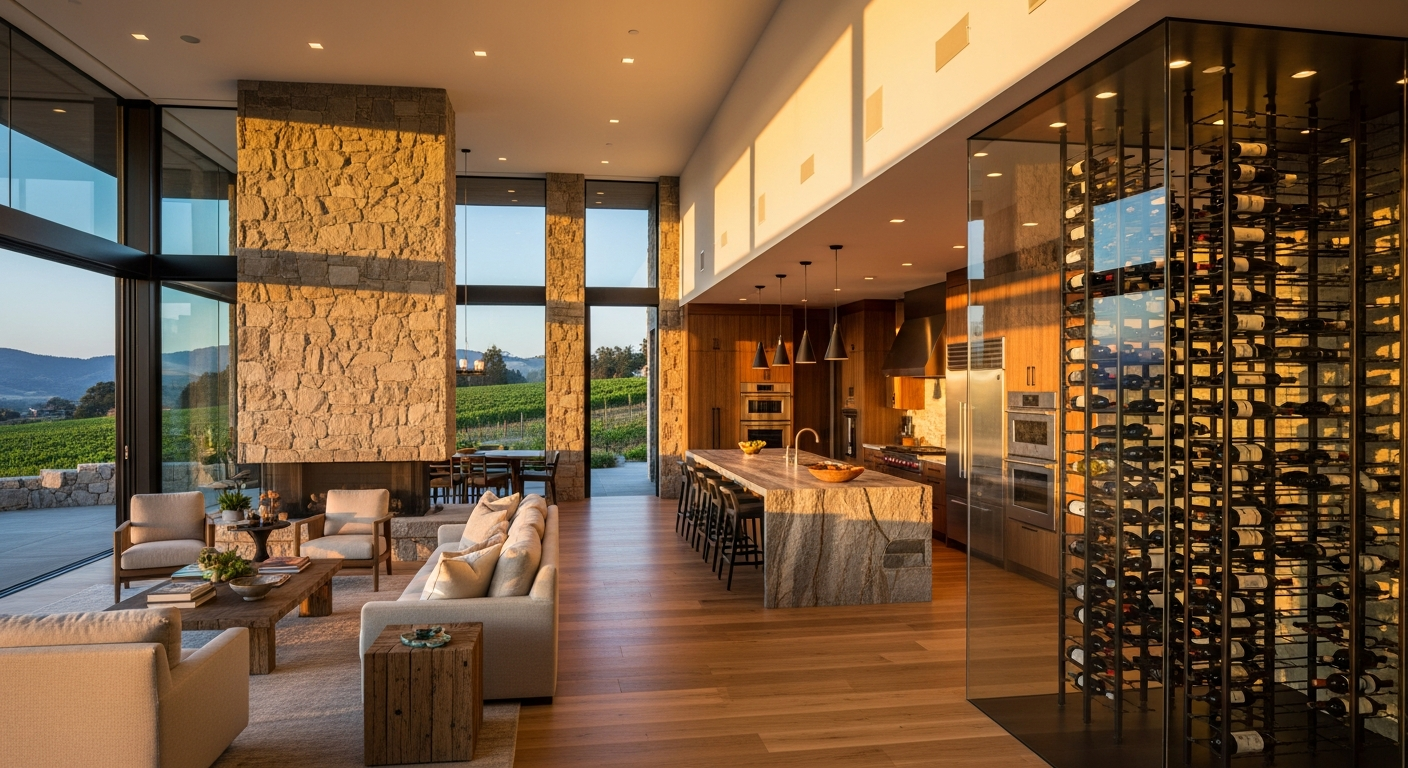
It would be dishonest to suggest design-build is always the right answer. For some projects — particularly highly complex or architecturally distinctive homes where the client has a strong vision for a specific aesthetic, or a long-standing relationship with a particular independent architect — the traditional model can be appropriate. If an architect is developing something genuinely innovative and you want creative autonomy separate from contractor influence during design, design-bid-build preserves that independence.
Some institutional or commercial projects also benefit from the traditional model because competitive bidding drives down costs in ways that don't apply to the custom residential market. But for the vast majority of Sonoma County custom home and remodel projects — where local conditions, cost certainty, and timeline efficiency matter most — design-build consistently delivers superior results.
Even when clients come to us with independently developed plans, we recommend an early collaboration meeting with their architect before construction begins. Getting our estimating team involved in plan review before the permit is submitted frequently surfaces constructability issues, alternative material choices, or phasing opportunities that save money without compromising the design intent. This hybrid approach — a traditional architect relationship with a design-build sensibility during construction — often captures the best of both models.
What to Look for in a Local Design-Build Partner
Not all design-build firms are created equal. Some are primarily contractors who've added a basic drafting service; others are primarily design firms that have added construction oversight. The most effective design-build teams maintain genuine depth in both disciplines — licensed designers with deep local knowledge working in daily collaboration with experienced construction superintendents and estimators who understand current market conditions.
For Sonoma County specifically, look for demonstrated experience in WUI zone construction and current Chapter 7A compliance; hillside foundation systems including deepened footings and retaining walls; energy code compliance under California's Title 24 and the new 2025 Building Standards; and the working relationships with Permit Sonoma, Santa Rosa Building and Planning, and local utilities that keep projects moving through the approval process efficiently.
Ask prospective design-build partners for references from completed projects similar to yours — in scale, site conditions, and project type. A custom home on a hillside lot in Sonoma County involves meaningfully different challenges than a flat-lot remodel in a suburban neighborhood, and your design-build partner's experience should match the specific demands of your project. Request to visit completed homes if possible; seeing the quality of finished work in person tells you far more than photos or testimonials alone.
Starting Your Sonoma County Project the Right Way
The decision between design-build and traditional construction has real long-term consequences for your project's timeline, budget, and your experience throughout the process. If you're in the early stages of planning — wondering where to start, how much your project might realistically cost, or what the current permitting landscape looks like in Santa Rosa and unincorporated Sonoma County — a conversation with SCB Builders costs you nothing and could save you months of frustration.
We offer free consultations for Sonoma County custom home and remodel projects. Our team will review your site, discuss your design goals, explain the current permitting environment, and give you an honest assessment of whether design-build is the right fit for your specific project. There's no obligation and no sales pressure — just straightforward guidance from builders who've been doing this work in Sonoma County for three generations.
Call us at (707) 546-2228, email info@scbbuild.com, or visit scbbuild.com/contact to schedule your free consultation. We look forward to learning about your project and helping you build something you'll be proud of for decades to come.