2025 California Building Code Changes Taking Effect in 2026: What Sonoma County Homeowners Need to Know
By Dave Keith, CEO, SCB Builders · July 24, 2026 · Building Codes
The 2025 California Building Standards Code (effective January 1, 2026) brings significant changes for Sonoma County homeowners — from stricter WUI wildfire requirements to mandatory all-electric heat pump systems. Here's what you need to know before starting your project.
Every three years, California adopts a new edition of its Building Standards Code — and the 2025 update, which took effect January 1, 2026, brings some of the most significant changes in recent memory for homeowners planning new construction, major remodels, or additions in Sonoma County and Santa Rosa. From tighter wildfire resilience requirements to mandatory EV-ready infrastructure, the 2025 code reflects California's dual priorities: protecting communities from climate-driven disasters while aggressively moving toward a cleaner energy future.
At SCB Builders, we've been guiding Sonoma County families through local permitting and construction codes for three generations. We rebuilt dozens of homes after the 2017 Tubbs Fire and have navigated every edition of California's building code as it applied to hillside properties, WUI zones, and Wine Country custom homes. Here's a practical breakdown of what changed, what it means for your project, and how to move forward confidently.
Understanding the new standards before you start planning isn't just good practice — it's the difference between a smooth permit process and costly mid-project redesigns. Whether you're planning a new custom home in the Santa Rosa hills or adding a room to your existing Sonoma County property, these changes will apply if your permit application is dated on or after the code adoption date.
Wildfire Safety: WUI Zone Requirements Get Stricter
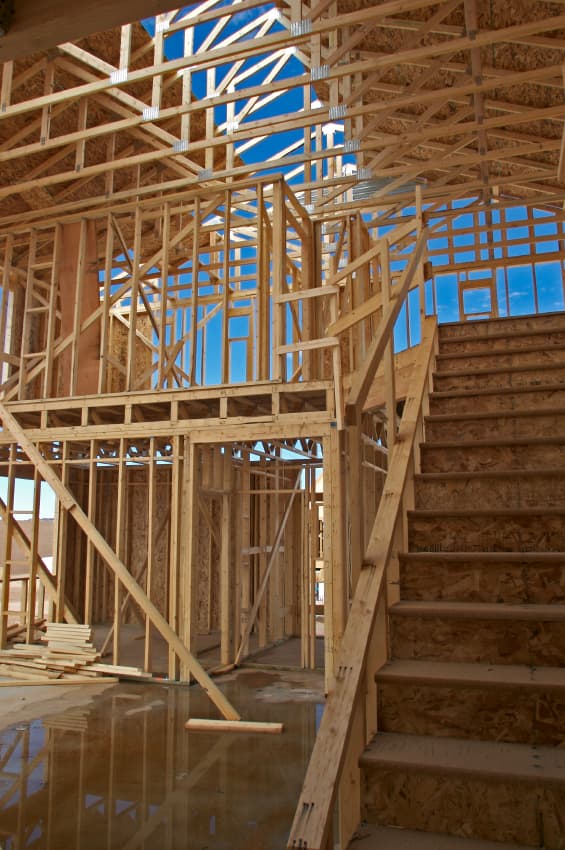
Sonoma County's proximity to wildlands has always meant heightened scrutiny for construction in and near designated Wildland-Urban Interface (WUI) zones. The 2025 code builds substantially on the existing Chapter 7A standards that govern WUI construction and expands their reach in several meaningful ways.
Ember-resistant vents are now required on all new construction in WUI zones, with tighter specifications for vent mesh size and framing materials. Research consistently shows that ember intrusion through vents is one of the primary pathways for home ignition during wildfires — a lesson Sonoma County learned tragically in 2017 and again in 2019. The new requirements address this vulnerability directly.
Roofing materials, exterior siding, and windows in WUI-designated areas face stricter fire-rating requirements. Assembly ratings — the combination of sheathing, weather barrier, and cladding working together — are evaluated more holistically under the 2025 code. Using non-compliant combinations, even if each individual material passes muster, can trigger failed inspections and expensive corrections after the fact.
Defensible space integration is also newly emphasized in the building code itself. The interface between your home's footprint and its immediate surroundings — patios, decks, fencing, planting beds — is now considered as part of the overall fire-resistance strategy during plan review. For hillside properties in Fountaingrove, Rincon Valley, or the Bennett Valley corridor, this means early coordination between your builder, landscape designer, and Permit Sonoma staff before design work is finalized.
One practical implication: homeowners who assumed that meeting the older Chapter 7A requirements was sufficient may discover their project now requires upgraded assemblies for exterior wall systems or that deck materials previously accepted no longer qualify. An early code compliance review from a knowledgeable local builder can surface these issues before plans are finalized and permit applications submitted.
Energy Efficiency and Electrification: The All-Electric Future Is Now Required
California's long march toward building electrification accelerates significantly with the 2025 code. New residential construction must now prioritize all-electric heat pump systems for both space heating and domestic water heating. Natural gas connections to new homes are increasingly restricted, and projects must demonstrate that electric systems are the primary choice — not a fallback option.
This is a meaningful shift for Sonoma County homeowners accustomed to gas fireplaces, gas ranges, and gas-fired forced-air furnaces. While the code doesn't universally prohibit all gas appliances in all jurisdictions, the burden of justification has shifted. Your project will need to show that energy modeling reflects electric-first systems, and the path of least resistance is full electrification from the design stage.
"Electric-ready" infrastructure is also mandatory. New homes must be wired to accommodate future electric appliances — dedicated 240V circuits in kitchens, laundry rooms, and garages — even if gas appliances are initially installed in jurisdictions where that remains permitted. Level 2 EV chargers or the wiring and panel capacity for them are required in new attached garages under most circumstances. The intent is to ensure that as California's grid gets cleaner, homes built today won't require expensive retrofits tomorrow.
Seismic Updates: New USGS Data Means Stronger Requirements
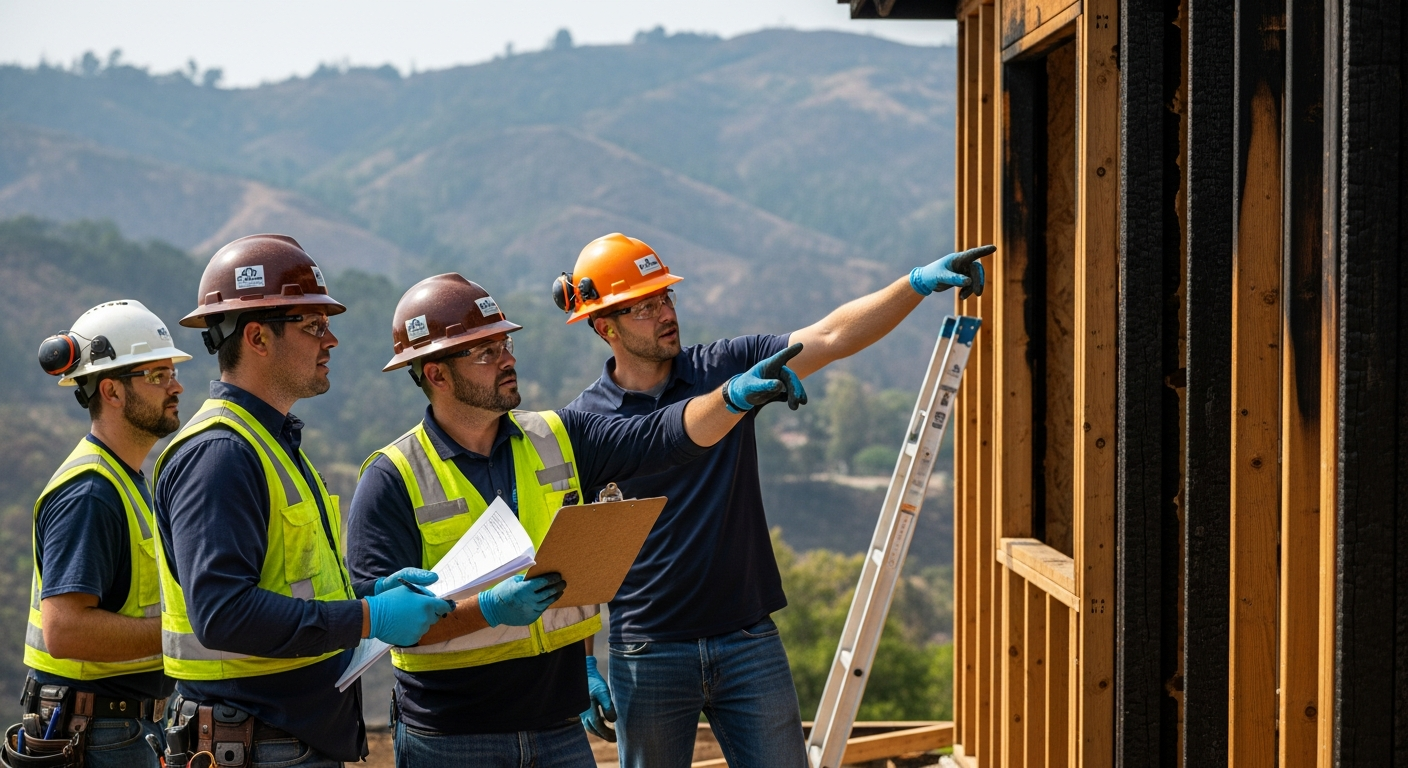
California's seismic design requirements are updated periodically as the USGS refines its hazard maps and ground motion models. The 2025 code incorporates the latest data from the USGS National Seismic Hazard Model, which for many Sonoma County locations results in modestly higher design accelerations — meaning the engineered framing, connections, and foundation systems in new homes must be slightly more robust than under the 2022 standards.
For most residential projects, this translates to incremental changes in structural specifications rather than dramatic redesigns. Anchor bolt patterns, hold-down hardware, shear wall configurations, and foundation rebar schedules may all be affected. Working with a structural engineer current on the 2025 provisions — and a builder who implements them correctly — is essential, particularly on hillside sites where irregular foundation conditions already add complexity to the structural system.
Construction Waste Management and Indoor Air Quality
Two additional areas of the 2025 code address the lifecycle impacts of construction itself. Mandatory construction waste management plans now require that at least 65% of job-site waste be diverted from landfill through recycling, salvage, or reuse. This applies to major new construction and significant remodels. At SCB Builders, we've long maintained relationships with local recycling facilities and deconstruction salvage vendors, so this requirement formalizes practices we already follow on every project.
Indoor air quality and mechanical ventilation standards have also been tightened. New requirements specify minimum fresh air exchange rates, filtration standards for HVAC systems, and restrictions on materials with high VOC content in finished spaces. For custom home buyers investing in a premium living environment, these requirements align perfectly with design choices that prioritize occupant health — better filtration, low-emission finishes, and optimized ventilation systems.
The Permit Timing Window: Why Acting Now Matters
One of the most practical questions Sonoma County homeowners face is whether their project can still be permitted under the 2022 code — or whether it must comply with the 2025 standards. The general rule: if a complete permit application was submitted to Permit Sonoma or the City of Santa Rosa before the effective date, that project may proceed under the code in effect at application. However, "complete" is the operative word. Incomplete applications don't hold the code version, and many applicants discover during review that additional documents are needed — at which point the compliance clock may reset.
If you're in the planning stages of a project and hoping to use the 2022 standards, the window is effectively closed unless your application was already submitted and deemed complete before January 1, 2026. For projects just beginning, the practical advice is to design for the 2025 requirements from the start rather than trying to grandfather in older standards. Understanding the new code as a baseline — rather than as an obstacle to work around — produces better projects and smoother permit processes.
How SCB Builders Navigates Code Changes for Our Clients
Code compliance isn't just about checking boxes — it's about understanding how the new requirements affect your specific site, your design goals, and your budget from the earliest stages of planning. A builder who learns about code changes after your architect has already finalized plans creates expensive delays and redesigns. Our process starts with a site-specific code analysis that maps your parcel's designations — WUI zone, fire hazard severity zone, seismic design category, energy compliance zone — before design begins.
We've built strong working relationships with Permit Sonoma staff over decades of local projects. We understand how plan check reviewers interpret ambiguous provisions, which code sections are scrutinized most carefully for hillside properties, and where there's legitimate flexibility in the standards. That institutional knowledge — not just reading the code, but understanding how it's applied locally — is the difference between a smooth permit process and months of costly back-and-forth.
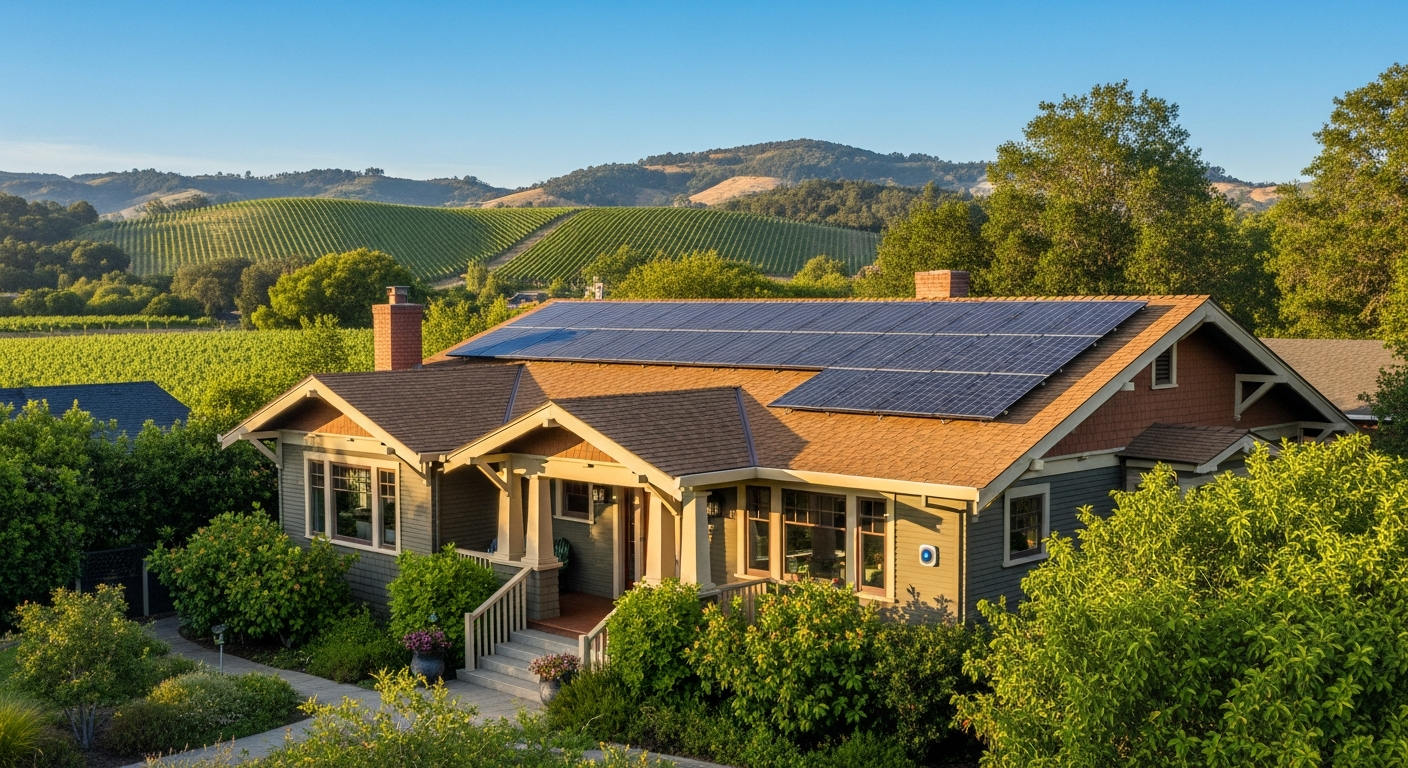
The 2025 code changes also create genuine opportunities for homeowners willing to embrace them. All-electric systems paired with solar and battery storage can reduce long-term operating costs and protect against utility outages during fire events — a real and recurring concern in Sonoma County. Wildfire-resilient construction can lower insurance premiums in a market where coverage has become increasingly expensive and difficult to obtain. A builder who helps you see the code not as a constraint but as a framework for building smarter turns compliance into lasting competitive advantage.
If you're planning a new custom home, addition, or major remodel in Sonoma County or Santa Rosa, SCB Builders offers free site visits and consultations for qualifying projects. We'll walk your property, review the applicable code provisions, and give you an honest assessment of timelines, costs, and design implications. Call us at (707) 546-2228 or visit scbbuild.com/contact to schedule your consultation today.
Dave Keith, CEO, SCB Builders